Common Mistakes to Avoid When Prepping for Ceramic Coating in Ocala in Ceramic Coating Ocala, FL
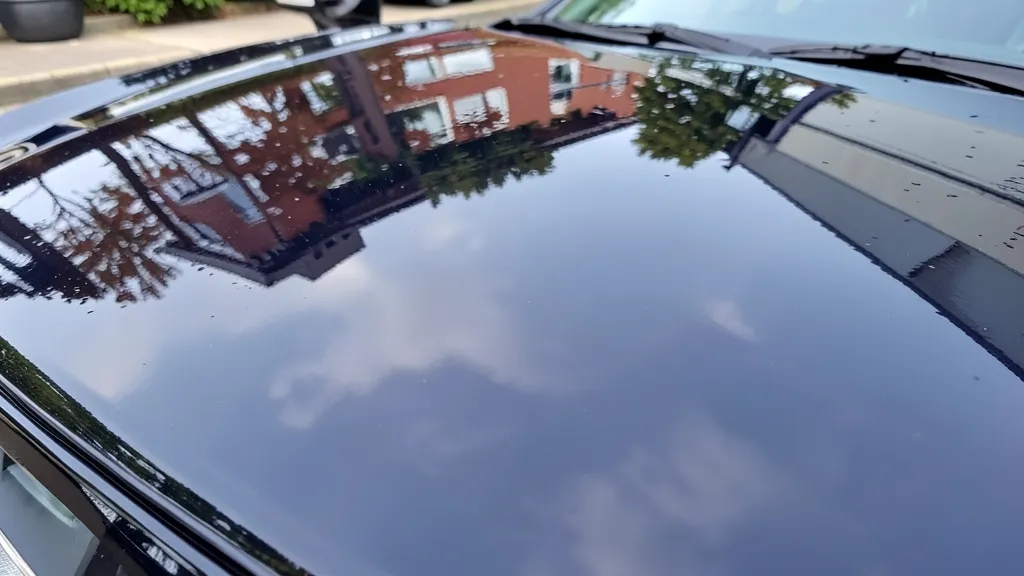
Ceramic coating is only as good as the prep work beneath it. Even minor oversights can trap contaminants, cause adhesion failure, or leave swirls locked under a permanent layer. Our team sees these mistakes daily—here’s how to sidestep them for a showroom-quality finish that lasts in Ocala’s harsh sun and seasonal pollen.
Skipping the Wash—Or Doing It Wrong
A standard drive-through wash won’t cut it. Road grime, tar, and industrial fallout embed in clear coat, and a quick rinse leaves them behind to sabotage adhesion.
Use a pH-neutral automotive shampoo and the two-bucket method. Grit guards in both buckets prevent swirls from re-depositing on freshly washed panels.
Household detergents strip wax and can leave residues that interfere with coating bond. Stick to car-specific cleaners.
Neglecting Iron and Tar Decontamination
Ocala’s highways kick up iron particles that bond to paint. These invisible contaminants feel smooth but create microscopic peaks that lift the coating over time.
An iron remover spray turns purple as it dissolves embedded particles. Follow with a clay bar or clay mitt to pull the last of it—never skip this step on darker vehicles.
Overlooking Paint Correction Before Coating
Ceramic coatings amplify every imperfection. Swirls, water spots, and oxidation won’t disappear under the coating—they’ll be magnified by its gloss.
A dual-action polisher with the right compound or polish levels the surface. Severe defects may need wet-sanding, but that’s a job for pros to avoid burning through clear coat.
| Stage | Purpose | Ceramic Coating Suitability |
|---|---|---|
| Wash & Decon | Removes surface contaminants | Required for all vehicles |
| 1-Step Polish | Enhances gloss, removes light swirls | Good for well-maintained paint |
| 2-Step Compound + Polish | Removes moderate defects | Recommended for most daily drivers |
| Wet-Sanding | Eliminates deep scratches/oxidation | Only for experienced detailers |
Using the Wrong IPA Solution for Final Wipe-Down
Isopropyl alcohol removes polishing oils and fingerprints, but the wrong mix leaves streaks or residues. A 50/50 IPA/distilled water blend is ideal for the final prep wipe.
Avoid pre-moistened wipes with additives. Lint-free microfiber and a fresh spray bottle ensure a clean, residue-free surface for the coating to bond.
Spray on a glass panel and let dry. If it leaves streaks, your water or bottle has contaminants. Use only distilled water.
Ignoring Trim, Rubber, and Plastic Masking
Ceramic coating overspray on trim, rubber seals, or plastic can cause staining or a white, chalky residue that’s tough to remove. Precision masking is non-negotiable.
Use fine-line tape and plastic sheeting to protect non-painted surfaces. Pay special attention to panel gaps, emblems, and window seals—common trouble spots.
Rushing the Curing Process in Ocala’s Climate
Humidity and heat in Ocala can extend curing times. Applying a second coat too soon or exposing the car to rain within 12–24 hours risks water spotting under the layer.
Follow the manufacturer’s curing guidelines. Park the vehicle in a dry, shaded area—garages in Marion Oaks or The Villages are ideal for controlled conditions.
DIY Pitfalls: When to Call in the Pros
Some prep steps, like wet-sanding or machine polishing, require skill to avoid damaging paint. If your vehicle has heavy oxidation or deep scratches, a pro detailer in Belleview or Dunnellon can restore the surface safely.
For fleet or commercial vehicles, our team often combines paint correction with Paint Protection Film on high-impact areas before applying ceramic coating for layered defense.
Post-Coating Care: Don’t Undo Your Hard Work
Even a perfect prep and application can be ruined by improper maintenance. Avoid automatic car washes with harsh brushes for at least two weeks post-application.
Use pH-neutral soap and a wash mitt. For extra protection, consider ceramic window tint or wheel and brake caliper coating to match your vehicle’s new hydrophobic finish.
First 30 Days After Coating
- Wash only with pH-neutral automotive soap
- Avoid pressure washers or high-velocity water
- Do not apply waxes, sealants, or quick detailers
- Park in shaded or covered areas when possible
How to Properly Decontaminate Paint Before Ceramic Coating
Follow these steps to ensure a contaminant-free surface for optimal coating adhesion.
- 1Pre-Wash Rinse
Use a foam cannon or pressure washer to loosen surface dirt. Work from top to bottom to avoid re-depositing grime.
- 2Two-Bucket Wash
Wash each panel with a microfiber mitt and pH-neutral soap. Rinse the mitt in the grit guard bucket after each pass.
- 3Iron Remover Application
Spray iron remover on each panel, let it dwell until it turns purple, then rinse thoroughly with water.
- 4Clay Bar Treatment
Lubricate the surface with detail spray and glide the clay bar over the paint to pick up embedded contaminants. Wipe dry with a clean towel.
- 5Final IPA Wipe-Down
Spray a 50/50 IPA/distilled water mix on each panel and wipe with a lint-free microfiber cloth to remove any remaining oils or residues.
Frequently Asked Questions
How long does paint correction take before ceramic coating in Ocala?
It depends on the vehicle’s condition. A light polish may take 4–6 hours, while heavy correction with compound and polish can span a full day or more. Request a quote for an accurate estimate based on your paint’s needs.
Can I apply ceramic coating over existing wax or sealant?
No. Wax and sealants leave a layer that prevents the ceramic coating from bonding to the paint. A thorough decontamination and IPA wipe-down are required to remove all previous products.
What’s the biggest mistake people make with DIY ceramic coating prep?
Skipping paint correction. Many assume a wash and clay bar are enough, but micro-scratches and swirls will be permanently visible under the coating’s high-gloss finish.
Do I need to remove old ceramic coating before reapplying?
Yes. Old ceramic coating doesn’t bond well to a new layer. It must be removed via machine polishing or a dedicated coating remover before prepping the surface again.
Is ceramic coating worth it for Ocala’s climate?
Absolutely. The intense UV exposure, pollen, and frequent rain in Central Florida accelerate paint damage. A properly applied ceramic coating provides long-term protection against these elements, reducing the need for frequent detailing.
Can I ceramic coat just the wheels or headlights?
Yes. Wheel and brake caliper ceramic coating resists brake dust and harsh cleaners, while headlight restoration followed by a ceramic coating can prevent yellowing. These are great add-ons to full-vehicle coatings.