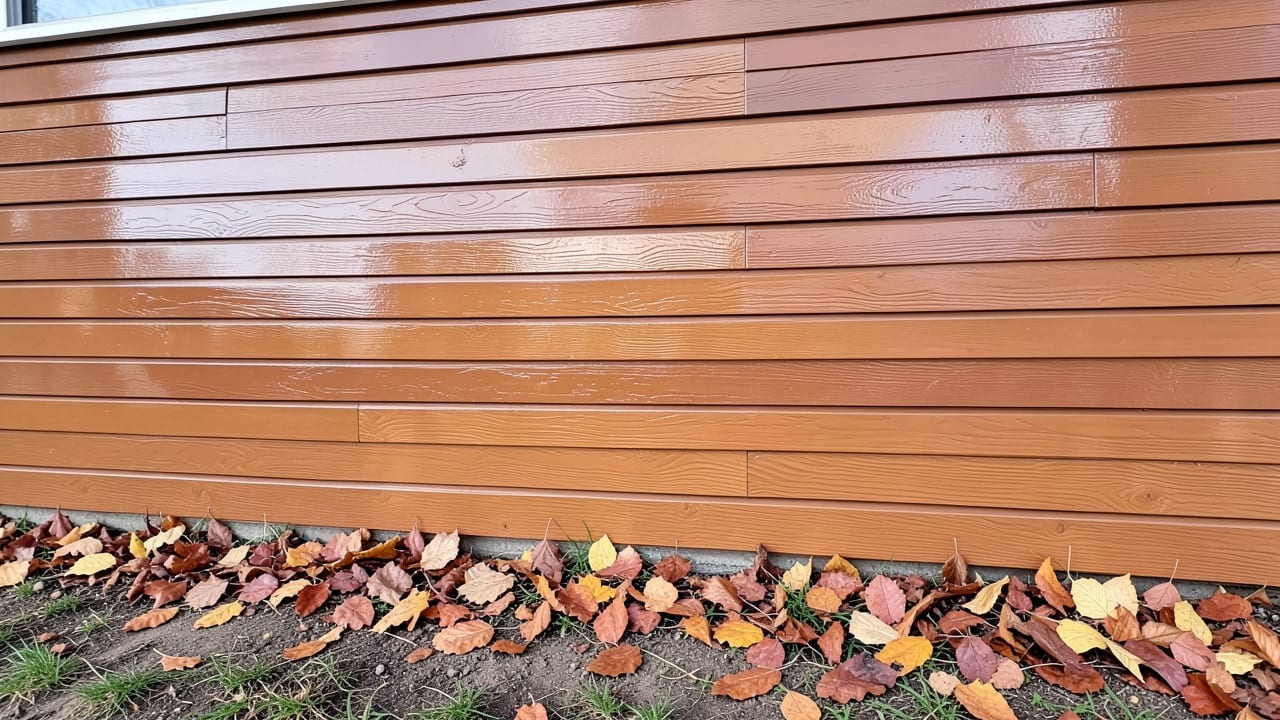
Fall Paint Prep for Winter
Ceramic coating and paint protection applied to homes before winter to prevent damage.
As Ocala’s fall weather brings cooler temperatures and occasional rain, preparing your vehicle’s exterior with a ceramic coating helps protect paint from moisture, UV rays, and winter wear. This service extends paint life and maintains a glossy finish, making it ideal for Ocala’s seasonal shifts from humidity to dry spells.
Proper prep ensures the coating lasts longer and performs as intended for years to come.
We also handle Metal Surface Anti-Corrosion and Glass Surface Hydrophobic Treatment for Ocala vehicles.
When to prep for winter
Ocala’s fall season means fluctuating humidity, occasional storms, and the transition to cooler nights—all of which can stress paint and coatings. If your vehicle’s paint feels less slick to the touch, water beads less sharply, or grime sticks instead of rinsing off, it’s time for prep.
These signs indicate the coating’s hydrophobic layer is thinning, leaving paint vulnerable to moisture and contaminants.
Winter also brings road salts and de-icing chemicals, which can etch paint if not rinsed promptly. A ceramic coating applied over clean, decontaminated paint acts as a barrier, but only if the surface is properly prepped first.
Skipping steps like clay bar treatment or iron removal can trap contaminants under the coating, reducing its effectiveness over time.
Signs Your Vehicle Needs Fall Prep
- Water no longer beads tightly—spreads or sheets across panels instead of rolling off
- Paint feels less slick when touched (loses the distinctive smoothness of a fresh coating)
- Grime, bug splatter, or tree sap requires scrubbing instead of rinsing off with water
- Duller reflection under direct light, even without visible scratches or swirls
- Visible haze or cloudiness after washing, indicating trapped contaminants
What affects prep and coating quality
The quality of fall prep depends on surface condition, contaminants, and the coating tier chosen. Unaddressed swirl marks or embedded iron particles lock in imperfections, while skipped decontamination steps (like clay bar or iron remover) leave coatings prone to early failure.
Multi-layer coatings or graphene-based formulas typically last longer than single-layer SiO2, but all require proper prep to bond correctly.
Ocala’s mix of clay soil, pollen, and road grime means decontamination is critical. A thorough wash, clay bar pass, and iron remover step remove bonded contaminants that normal washing misses. Without these, coatings may fail faster, especially in winter when moisture and chemicals accelerate wear.
| Factor | Impact on Coating Longevity |
|---|---|
| Unaddressed swirl marks or scratches | Locks in imperfections, reduces gloss and protection |
| Skipped clay bar or iron removal | Traps contaminants under coating, shortens lifespan |
| Single-layer vs. multi-layer coating | Multi-layer typically lasts longer but costs more |
| Winter road salts/de-icing chemicals | Can etch paint if not rinsed promptly, even with coating |
| Improper curing window (washing too soon) | Weakens bond, reduces hydrophobic properties |
Maintenance after coating
A ceramic coating isn’t maintenance-free, but consistent care keeps it performing. In Ocala’s climate, this means washing every 2–3 weeks with pH-neutral soap and a two-bucket method to avoid redepositing grit.
Drying with a clean microfiber towel prevents water spots, and avoiding automatic brush washes (which drag abrasives) helps preserve the finish.
Every few months, a light clay or chemical decontamination removes bonded contaminants like rail dust. Topping up with a spray sealant between full washes refreshes the slickness without requiring a full reapplication.
The goal is to catch wear early—smaller beads or duller reflections signal it’s time to act before the coating’s protective layer fades significantly.
Using high-alkaline or wax-stripping soaps breaks down the coating’s chemistry over time. Automatic brush washes introduce fine scratches from grit carried over from other vehicles. Letting water air-dry deposits mineral spots, which are more visible on glossy coated surfaces.
How fall paint prep works
Prepping your vehicle for winter involves cleaning, decontaminating, and applying a ceramic coating to protect paint.
- 1Thorough Wash and Decontamination
The vehicle is washed with pH-neutral soap using the two-bucket method to remove loose dirt, followed by clay bar treatment to lift bonded contaminants like tar and industrial fallout. An iron remover step ensures no metallic particles remain, which can cause oxidation under the coating.
- 2Paint Correction (If Needed)
Swirl marks or light scratches are addressed with compounding and polishing to create a smooth, glass-like surface. This step is skipped only if the paint is already flawless—locking imperfections under a coating worsens their appearance over time.
- 3Coating Application
The ceramic coating is applied in thin, even layers, allowing each layer to cure before adding the next. The chosen tier (e.g., SiO2 or graphene) determines durability, with multi-layer coatings offering longer protection but requiring proper prep to bond correctly.
- 4Curing and Initial Maintenance
The vehicle is kept in a controlled environment for 24–48 hours to cure fully. During this time, washing is avoided, and only pH-neutral products are used afterward to maintain the coating’s hydrophobic properties.
- 5Post-Coating Care Plan
A maintenance schedule is provided, including wash intervals, approved products, and signs the coating may need refreshing (e.g., reduced water beading or dullness). Topping up with a spray sealant every few months helps sustain protection between full reapplications.
Frequently asked questions
Will a ceramic coating stop rock chips or deep scratches?
No, coatings add surface hardness to resist light swirls and UV fading, but they don’t provide impact protection. Rock chips or deep scratches will still occur—the coating may make them slightly less noticeable, but they’ll still require traditional repair methods.
How long does the prep and coating process take?
The process typically takes 4–8 hours, depending on the vehicle’s size and surface condition. This includes washing, decontamination, correction (if needed), coating application, and initial curing time. Larger vehicles or heavily contaminated surfaces may require additional time.
Can I wash my vehicle normally after coating?
Yes, but only with pH-neutral soap and the two-bucket method. Avoid automatic brush washes, wax-stripping soaps, or letting water air-dry, as these can damage the coating’s protective layer. A microfiber towel is used for drying to prevent water spots.
What’s the difference between a single-layer and multi-layer coating?
Single-layer coatings are thinner and less durable, typically lasting 1–2 years with proper care. Multi-layer coatings (often graphene or hybrid formulas) are thicker, harder, and last 2–5 years, but they require flawless prep to bond correctly. The choice depends on budget and desired longevity.
Where Ocala sits, and what the Census lists nearby
Ocala sits in Florida, and the closest places listed in the U.S. Census Gazetteer are Silver Springs (6.4 miles northeast), Liberty Triangle (8.1 miles southwest), Silver Springs Shores (9.4 miles southeast), On Top of the World (9.6 miles southwest).
Within 25 miles of Ocala the same source lists 24 distinct incorporated places and census-designated places.
Those figures matter for fall paint prep for winter because they are straight-line distances between Census coordinate points: road mileage between Ocala and Silver Springs runs longer than the 6.4 miles shown, which is why quotes for the same job differ between towns that look close together on a map.
Source: U.S. Census Bureau Gazetteer.
See Silver Springs Shores East, FL for more, or explore what we cover for Ocala vehicles side by side for our complete lineup.
Ready to get started?
Talk to a local ceramic coating pro in Ocala — get a written quote.
Other Ceramic Coating Services in Ocala
Metal Surface Anti-Corrosion in Ocala, FL
Ceramic coatings and specialized paints applied to metal surfaces to prevent rust and corrosion.
Learn More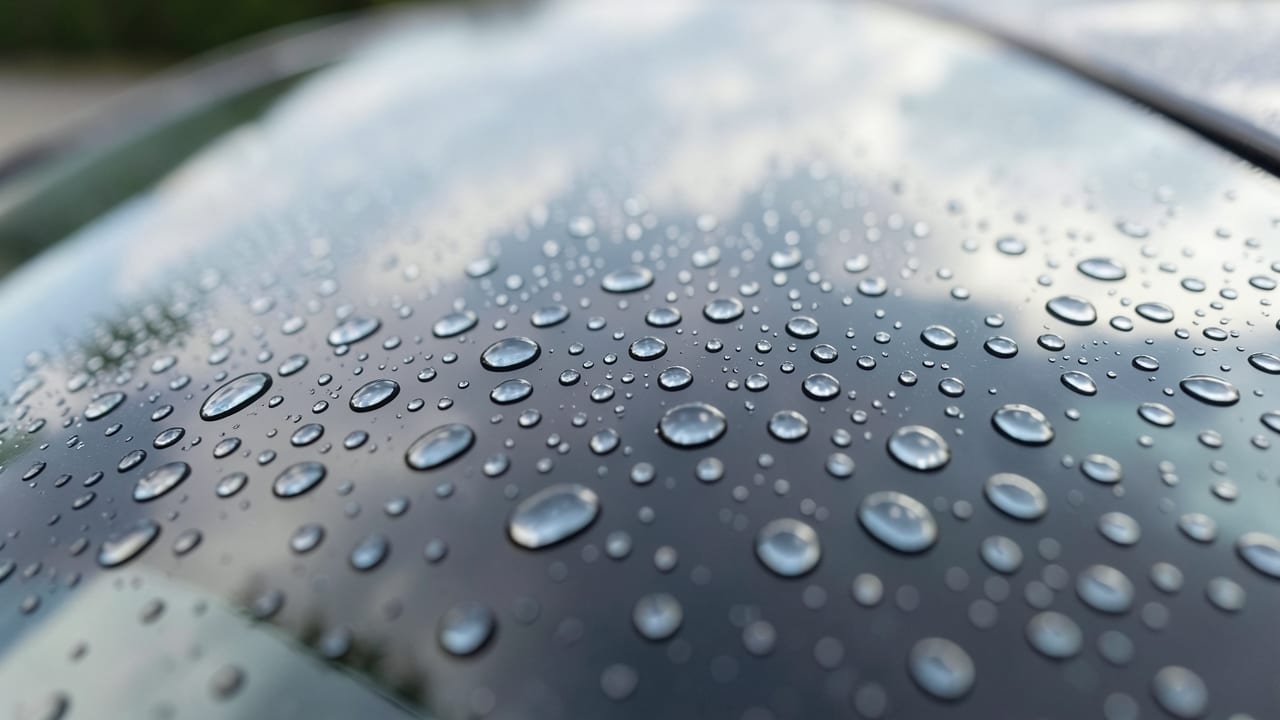
Glass Surface Hydrophobic Treatment in Ocala, FL
Applying a ceramic coating to glass surfaces for water repellency and easier cleaning.
Learn More
Bird Dropping Removal in Ocala, FL
Professional removal of bird droppings to prevent paint damage and maintain ceramic coatings.
Learn More
Iron Particle Decontamination in Ocala, FL
Removal of embedded iron particles from automotive paint using chemical solutions.
Learn More
Road Tar Removal in Ocala, FL
Professional removal of road tar from vehicle paint using safe, ceramic-friendly methods.
Learn More
Overspray Removal in Ocala, FL
Removing overspray from vehicles and surfaces to restore original appearance.
Learn MoreCommon Questions About Ceramic Coating in Ocala
Everything you need to know about ceramic coating services in Ocala
How much does Fall Paint Prep for Winter typically cost in Ocala, FL?
Does intense UV and dust in Ocala, FL change coating maintenance?
What's the actual difference between wax, paint sealant, and ceramic coating?
Can ceramic coating be applied at home instead of by a detailing shop?
How long does a ceramic coating actually last in real-world use?
What is the difference between graphene and SiO2 ceramic coatings?
Need Ceramic Coating in Ocala?
Get a written quote from our Ocala crew.
⏰ We answer your call • Serving all of Ocala and surrounding areas